
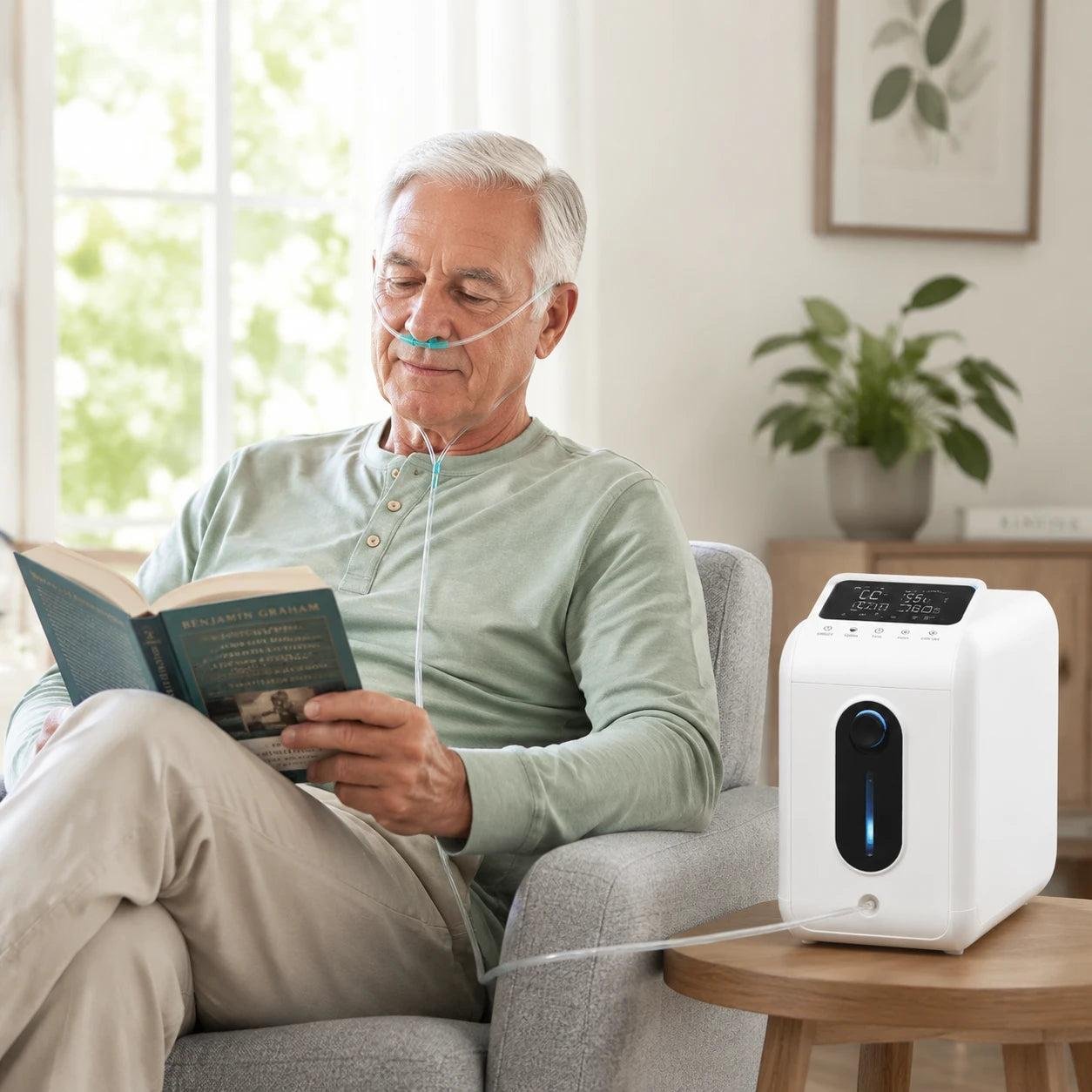
Breathing difficulties can affect a person’s comfort, daily activities and overall quality of life. For patients whose medical conditions cause low blood oxygen levels, oxygen therapy may be an important part of their prescribed treatment plan.If you are researching oxygen therapy in Dubai for yourself or a family member, understanding how the treatment works, which equipment may be used and how to choose an appropriate healthcare provider can help you make informed decisions.Oxygen therapy involves supplying additional oxygen to patients who need it for medical reasons. Depending on the patient’s condition and treatment plan, it may be provided in a healthcare facility or through prescribed equipment used at home.
What Is Oxygen Therapy?
Oxygen therapy is a medical treatment that provides supplemental oxygen when a person’s blood oxygen levels are insufficient or when a healthcare professional determines that additional oxygen is clinically necessary.
Under normal circumstances, the lungs transfer oxygen from the air into the bloodstream. The blood then carries oxygen to organs, muscles and other tissues throughout the body.
Certain respiratory conditions and other medical problems can interfere with this process. In appropriate cases, supplemental oxygen can help increase the amount of oxygen available to the body.
Oxygen may be delivered through a nasal cannula, an oxygen mask or another prescribed delivery system. The equipment and treatment settings depend on the patient’s medical requirements.
Who May Need Oxygen Therapy in Dubai?
Patients With Chronic Lung Conditions
People with certain advanced lung conditions, including chronic obstructive pulmonary disease (COPD) and pulmonary fibrosis, may require supplemental oxygen if testing confirms that it is appropriate.
Not every person with a lung condition needs oxygen. The decision depends on clinical findings, oxygen measurements, symptoms and the treating professional’s assessment.
Patients With Certain Heart Conditions
Some heart conditions can affect oxygen delivery throughout the body or occur alongside low blood oxygen levels. Selected patients may require oxygen following an appropriate medical assessment.
Oxygen should not be started automatically for every heart-related condition.
Patients Recovering From an Illness
Some patients may require temporary oxygen support during recovery from a respiratory illness or hospital admission.
Whether treatment can be continued safely at home depends on the patient’s stability, prescribed oxygen requirements, available equipment and follow-up plan.
Patients Requiring Long-Term Respiratory Support
Some people with chronic respiratory conditions need oxygen for specified periods or for longer durations according to their prescription.
These patients may require suitable equipment, regular clinical reviews and instructions on responding to changes in their condition.
Patients Prescribed Oxygen After Hospital Discharge
A patient may leave hospital with an oxygen prescription and instructions for continuing treatment at home.
Before arranging equipment, the patient or family should confirm the prescribed flow rate, daily duration, delivery method, equipment requirements and follow-up arrangements.
What Types of Oxygen Therapy Equipment Are Available?
Oxygen Concentrator
An oxygen concentrator takes in room air and concentrates oxygen for delivery to the patient.Many stationary concentrators are designed for use at home and require an electrical power supply. Before arranging a device, confirm that it can meet the prescribed oxygen requirements and that the patient understands how to operate it.Ask the supplier about maintenance, alarms, power interruptions and backup arrangements
Medical Oxygen Cylinder
An oxygen cylinder stores medical oxygen and supplies it through a suitable delivery system.Cylinder size, available oxygen supply and operating duration vary. The supplier should explain how to monitor the remaining supply, arrange replacement and secure the cylinder safely.Medical oxygen cylinders must be stored and handled according to the supplier’s instructions.
Portable Oxygen Equipment
Portable equipment may be suitable for selected patients who need oxygen while moving around or travelling.Not all portable devices deliver oxygen in the same way. Some provide pulse-dose delivery, while others provide continuous flow. These methods are not automatically interchangeable.A healthcare professional should confirm that the selected device meets the patient’s prescribed requirements before it is used.
How Does Oxygen Therapy Work?
Clinical Assessment
A healthcare professional reviews the patient’s symptoms, medical history and current condition. Depending on the circumstances, assessment may include pulse oximetry, blood gas testing or other investigations.
Oxygen Prescription
If oxygen is indicated, the responsible professional determines the appropriate delivery method, flow rate and treatment duration.Patients should not choose their own oxygen settings or change prescribed settings without medical guidance.
Equipment Selection
The equipment is selected according to the prescription, intended use, mobility requirements and home environment.The patient or caregiver should receive clear instructions for operating and maintaining the equipment.
Safe Use and Monitoring
Patients should follow the treatment plan and understand how to recognise equipment problems and changes in their symptoms.Any concerns about oxygen levels, treatment settings or side effects should be discussed with the treating healthcare professional.
Follow-Up
Regular review may be necessary to determine whether oxygen remains appropriate and whether the treatment plan needs adjustment.Do not independently stop, increase or reduce prescribed oxyge
What Is the Difference Between Oxygen Therapy and Nebulizer Treatment?
Oxygen therapy and nebulizer treatment serve different medical purposes.
| Feature | Oxygen Therapy | Nebulizer Treatment |
|---|---|---|
| Main purpose | Supplies supplemental oxygen when indicated | Delivers prescribed inhaled medication as a mist |
| Equipment | Oxygen concentrator or medical oxygen cylinder | Nebulizer machine and medication chamber |
| Treatment | Oxygen at prescribed settings | Medication according to the prescription |
FAQ
What is oxygen therapy in Dubai?
Oxygen therapy in Dubai refers to medical treatment that provides supplemental oxygen to patients who need it according to an appropriate clinical assessment and prescription. It may be delivered in a healthcare facility or through prescribed home equipment.
Who needs oxygen therapy?
Patients with certain lung conditions, heart-related conditions or other medical problems may need oxygen if their blood oxygen levels meet the relevant clinical criteria. A healthcare professional must determine whether treatment is appropriate.
Can I arrange oxygen therapy at home in Dubai?
Home oxygen may be available for patients with a suitable prescription and an appropriate care plan. Confirm the equipment requirements, supplier arrangements and clinical follow-up before starting treatment.
How much does oxygen therapy cost in Dubai?
The price depends on equipment type, rental or purchase arrangements, treatment duration, delivery and any additional clinical services. Request a quotation based on the patient's requirements.
Is an oxygen concentrator better than an oxygen cylinder?
Neither is universally better. A concentrator uses room air to produce concentrated oxygen, while a cylinder stores medical oxygen. The appropriate choice depends on the patient's prescription, mobility, intended use and supply arrangements.
Can oxygen therapy treat shortness of breath?
Oxygen may help when breathlessness is associated with low blood oxygen levels and treatment is clinically indicated. It does not treat every cause of breathlessness. New or worsening symptoms need medical assessment.
Can oxygen therapy be used overnight?
Some patients are prescribed oxygen during sleep. This should be based on clinical assessment and a specific treatment plan rather than self-diagnosis.
Is oxygen therapy safe for elderly patients?
It may be suitable for older adults when medically indicated. The care plan should consider mobility, fall risk, the patient's ability to use the equipment and fire safety.
Can oxygen therapy replace a nebulizer?
No. Oxygen therapy supplies supplemental oxygen, while a nebulizer delivers prescribed inhaled medication. They serve different purposes and should be used according to the patient's treatment plan.
Can I change my oxygen flow rate myself?
No. Do not change the prescribed oxygen flow rate or duration without appropriate medical advice. Contact the treating healthcare professional if you have concerns about the treatment.
What should I do if my oxygen equipment stops working?
Follow the supplier's instructions and use the agreed backup arrangements if available. Contact the supplier or healthcare team promptly. If the patient develops severe breathing difficulties or other emergency symptoms, call 998 in the UAE.